Understanding the Distinctions Between England, Great Britain, and the United Kingdom Post-Historic Summit
Following a landmark summit, Wales, Scotland, and Northern Ireland signaled a move towards independence from the UK government, emphasizing their right to self-determination. This article clarifies the often-confused terms of England, Great Britain, and the United Kingdom.
✍️ Barış Özer📰 CNN Türk👁 10
Reklam
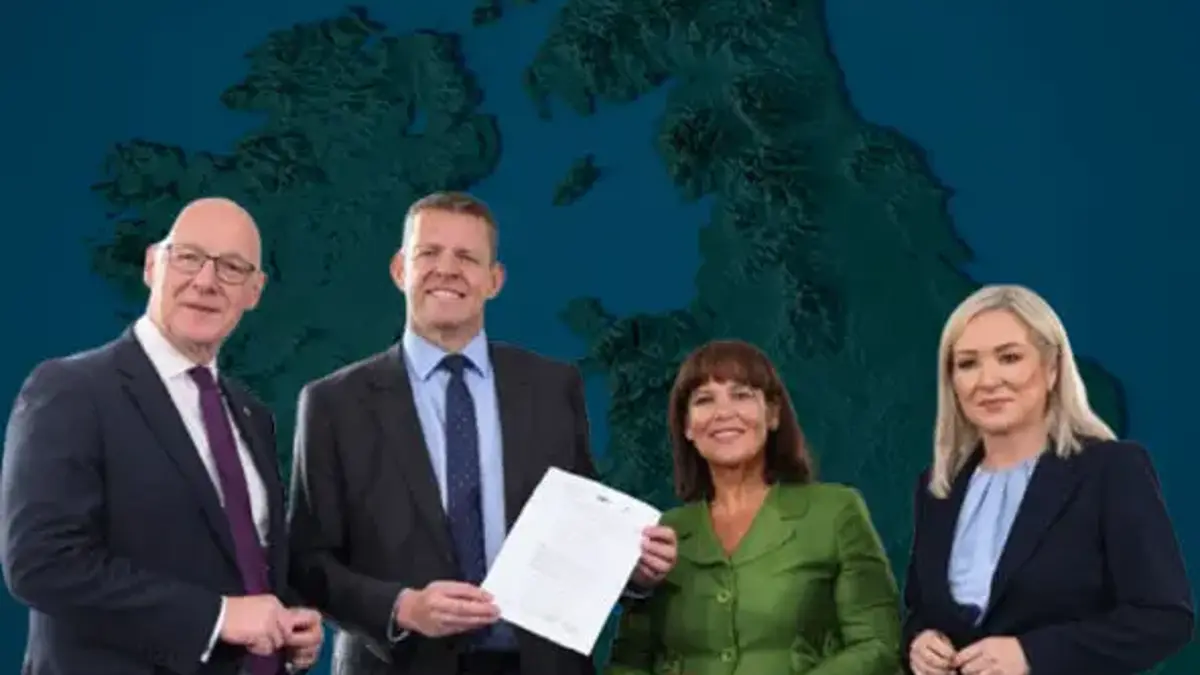
In a significant political development, Wales, Scotland, and Northern Ireland have collectively issued a statement declaring the 'end of Westminster's era,' signaling potential shifts towards independence from the central UK government. This declaration arose from a historic summit where a memorandum was signed, underscoring the regions' right to self-determination. Such a move marks a pivotal moment in the ongoing discourse about autonomy within the UK.
To fully grasp the implications of this announcement, it is crucial to differentiate between three commonly conflated terms: England, Great Britain, and the United Kingdom. England refers specifically to the largest country within the UK, while Great Britain encompasses England, Scotland, and Wales, collectively. The United Kingdom, on the other hand, is the sovereign state that includes all of these regions along with Northern Ireland.
The distinction between these entities is not merely academic; it has real implications for governance, identity, and the future of the union. As regional identities continue to assert themselves, the clarity of these terms becomes increasingly important in understanding the political landscape of the UK.
This recent summit and its outcomes highlight the evolving nature of regional governance and the desire for greater autonomy among the constituent countries. As discussions continue, the focus on the right to self-determination may reshape the future of the United Kingdom, prompting further debates on the nature of its unity and the autonomy of its regions.
Reklam
📤 Share Article