The Absence of Bridges Over the World's Longest River: Two Key Reasons Explained
Despite being the longest river on the planet, the Amazon lacks any bridges. This article delves into the two primary reasons behind this unusual absence.
✍️ xhaber Haber Merkezi📰 Sözcü👁 0
Reklam
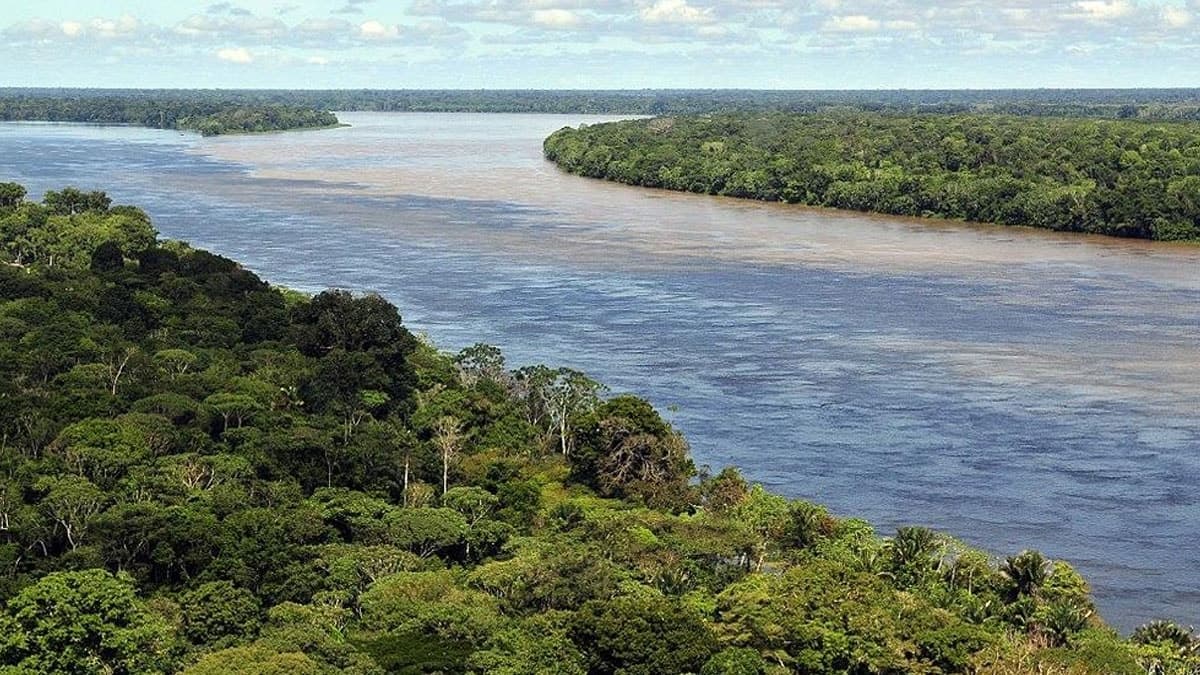
The Amazon River, recognized as the longest river in the world, is notably devoid of bridges spanning its vast waters. This peculiar circumstance can be attributed to two main factors that influence the construction of infrastructure in the region. First, the river's sheer length and the complexity of its ecosystem pose significant engineering challenges. Second, the environmental and logistical considerations in this biodiverse area deter extensive development.
The Amazon stretches over 4,000 miles and winds through a variety of terrains, making it difficult to construct stable and safe bridges. Rapid changes in water level, seasonal flooding, and the unique flora and fauna that thrive along its banks complicate any potential engineering projects.
Additionally, the environmental policies in Brazil and surrounding countries tend to prioritize conservation over development. The rich biodiversity of the Amazon rainforest has led to restrictions aimed at preserving its ecological integrity. As a result, the absence of bridges is not just a matter of engineering difficulty; it also reflects a commitment to protecting one of the planet's most vital ecosystems.
In conclusion, the lack of bridges over the Amazon River stems from both the daunting challenges posed by its geography and the prioritization of environmental conservation. While this may hinder transportation options across the river, it underscores the importance of preserving the natural world in the face of modern infrastructure demands.
Reklam
📤 Share Article