Tensions Rise in the Strait of Hormuz: A New Cycle of Retaliation Between the US and Iran
The Strait of Hormuz is witnessing escalating tensions as a struggle for maritime control reignites a cycle of retaliation between the United States and Iran. Both nations have engaged in a series of confrontations, heightening the stakes in this critical oil transit route.
✍️ xhaber Haber Merkezi📰 CNN Türk👁 0
Reklam
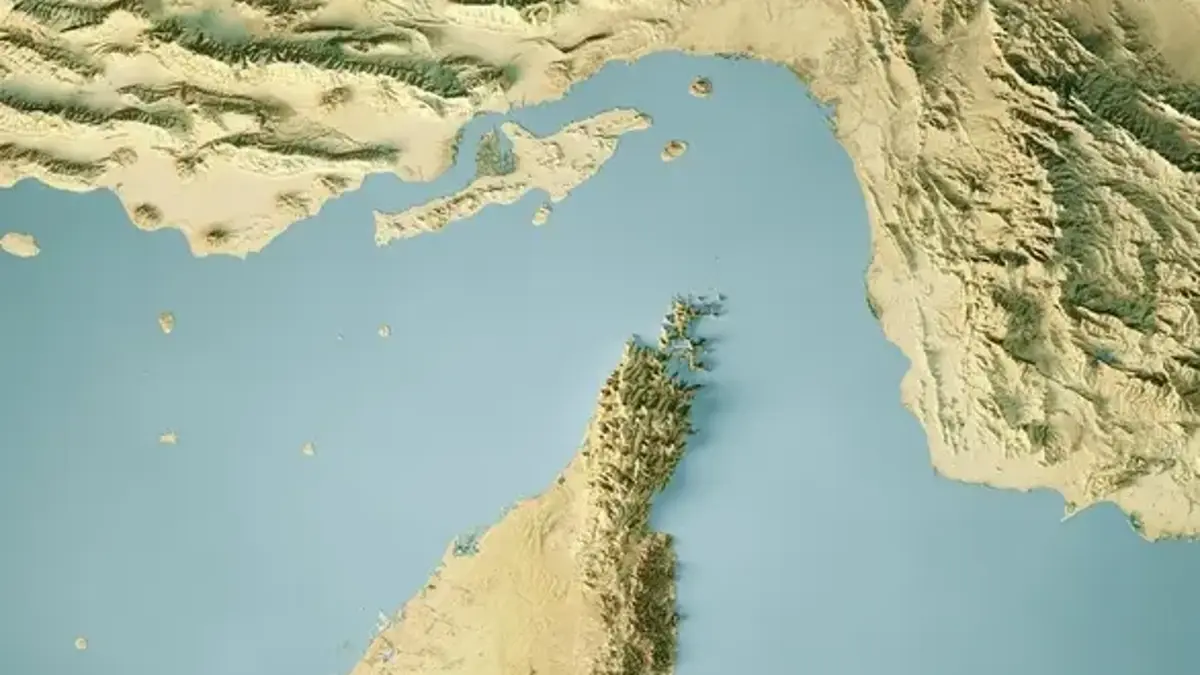
The Strait of Hormuz, a vital gateway for global oil shipments, is currently the epicenter of rising tensions between the United States and Iran. Recent incidents have sparked a renewed cycle of retaliation, as both countries vie for maritime dominance in the region. This escalation comes amid ongoing concerns over security and the free passage of vessels in these strategically important waters.
The United States has expressed its commitment to ensuring the safety of navigation through the Strait, while Iran has signaled its readiness to respond aggressively to any perceived threats. This back-and-forth has led to a significant increase in military presence from both nations, prompting fears of a potential confrontation that could disrupt oil supplies and destabilize the region further.
Analysts warn that the situation is precarious, as any miscalculation could lead to an armed conflict with far-reaching consequences. The Strait of Hormuz is crucial for the transportation of approximately one-fifth of the world's oil, making it a critical point of interest for global energy markets. As such, the ongoing hostilities are not only a regional concern but also a significant factor influencing international energy prices and geopolitical stability.
As tensions continue to mount, the international community is closely monitoring the developments in the Strait of Hormuz. Diplomatic efforts to de-escalate the situation may be necessary to prevent further deterioration of relations between the US and Iran, both of which have a profound impact on global affairs.
Reklam
📤 Share Article