Tensions Escalate Between Iran and UAE Following Netanyahu's Allegations
Iran's Foreign Minister Abbas Arakchi has responded to claims that Israeli Prime Minister Benjamin Netanyahu visited the United Arab Emirates during the ongoing conflict, warning that those collaborating with Israel will be held accountable.
📰 Cumhuriyet👁 2
Reklam
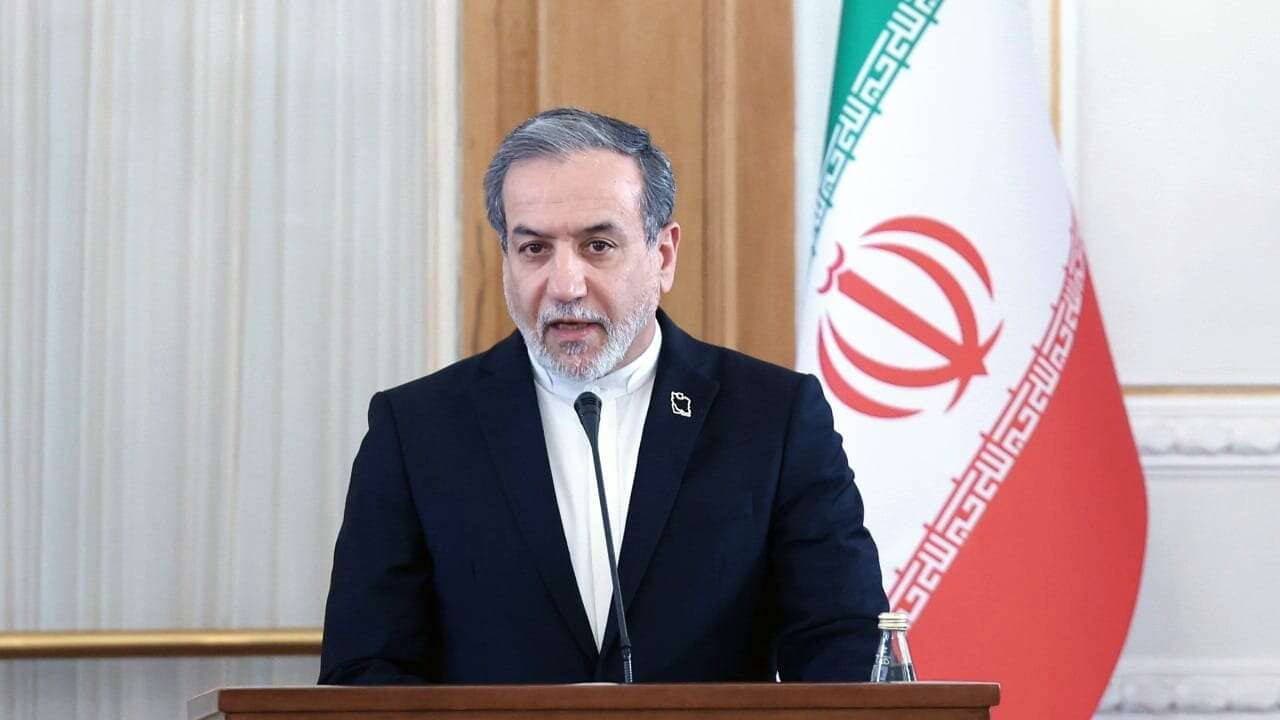
The diplomatic rift between Iran and the United Arab Emirates (UAE) appears to be intensifying, sparked by allegations against Israeli Prime Minister Benjamin Netanyahu. Iranian Foreign Minister Abbas Arakchi stated that Netanyahu's purported visit to the UAE amid wartime conditions has raised significant concerns. He emphasized that Iranian security agencies had previously communicated these suspicions to their leadership, and now they are making them known publicly.
Arakchi's statement highlights Iran's growing frustrations with regional dynamics, particularly regarding collaboration between Israel and certain Gulf nations. He warned that those who sow discord through such partnerships will ultimately face repercussions. This rhetoric underscores the delicate balance of power in the Middle East, where alliances are often tested by geopolitical events.
As tensions continue to rise, the implications of Netanyahu's alleged actions could have far-reaching consequences for diplomatic relations within the region. Observers are closely monitoring how this situation unfolds, especially given the historical context of Iranian-Israeli hostilities and the delicate relationships Iran maintains with its neighbors.
In light of these developments, it remains crucial for regional and international actors to engage in dialogue to prevent escalation. The situation is emblematic of the broader challenges faced in Middle Eastern diplomacy, where trust and cooperation are often overshadowed by suspicion and conflict. The coming weeks may reveal whether these tensions can be alleviated or if they will spiral further out of control.
Reklam
📤 Share Article