Taiwan Identifies China as the Primary Threat to Regional Stability Following Xi's Warning to Trump
In a recent exchange, Taiwan emphasized that China poses the greatest risk to peace, following remarks from Xi Jinping to Donald Trump regarding potential conflicts. This highlights the ongoing tensions surrounding U.S.-Taiwan relations amid broader geopolitical challenges.
✍️ xhaber Haber Merkezi📰 France 24👁 2
Reklam
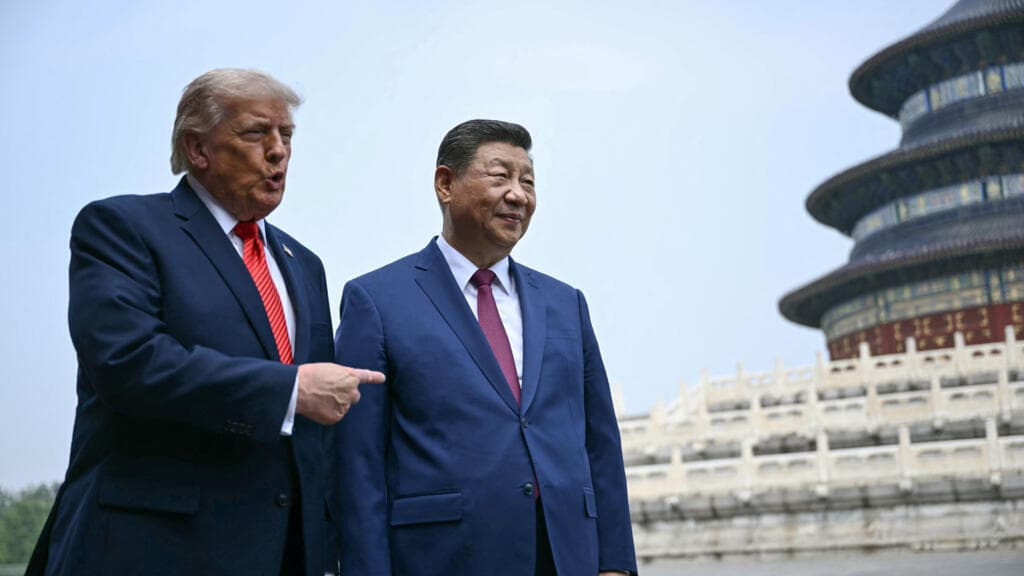
Taiwan has unequivocally stated that China represents the primary risk to peace and stability in the region, particularly in light of a recent warning issued by Chinese President Xi Jinping to former U.S. President Donald Trump. During a cordial conversation, Trump expressed his appreciation for their friendship, while Xi underscored the importance of avoiding any possible confrontation between the two powerful nations. This exchange reflects the deep-seated differences that persist on various contentious issues, including trade disputes and the complexities surrounding U.S. relations with Taiwan.
Xi's cautionary message comes at a time when Taiwan is closely monitoring changes in U.S. foreign policy in relation to the island. The government in Taipei is particularly interested in whether there will be any substantial shifts in Washington's approach towards Taiwan, especially considering the ongoing tensions with China. As the U.S. continues to navigate its relationships in the Asia-Pacific region, Taiwan remains vigilant and prepared for any potential fallout from U.S.-China interactions.
Taiwan's concerns are amplified by the backdrop of increasing military maneuvers and assertive rhetoric from Beijing regarding its claims over the island. The Taiwanese administration is keen to ensure that it maintains its sovereignty and security in the face of growing pressure. Observers note that the delicate balance of power in the region hinges on the responses of both the U.S. and China, especially as they continue to grapple with various geopolitical challenges, including the situation in Iran.
As the international community watches closely, the implications of Xi's remarks and the broader dynamics between the U.S., China, and Taiwan will undoubtedly shape the future of peace and stability in the region. Taiwan's leadership is thus tasked with navigating these complex relationships while asserting its position on the global stage.
Reklam
📤 Share Article