SpaceX Rocket's Potential Collision with the Moon: An Astronomical Opportunity
As the Moon has faced numerous impacts throughout its history, astronomers speculate that a potential collision with a SpaceX rocket could provide valuable scientific insights. This incident may turn out to be an unexpected boon for lunar research.
✍️ xhaber Haber Merkezi📰 BBC News👁 0
Reklam
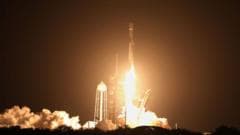
The Moon, Earth's natural satellite, has withstood countless impacts over millions of years, leaving its surface marked with craters and scars. Recently, astronomers have turned their attention to the possibility of a SpaceX rocket colliding with the lunar surface. While such events are generally viewed with concern, experts suggest that this particular incident could yield significant scientific benefits.
The SpaceX rocket, which is expected to crash into the Moon, presents a unique opportunity for researchers. The collision could potentially expose new geological features and materials that have remained untouched. By studying these areas, scientists hope to gain deeper insights into the Moon's formation and its geological history, which could, in turn, inform future lunar exploration missions.
Moreover, the impact could also provide data on how artificial objects interact with the Moon's surface. This information is crucial as humanity aims to establish a more permanent presence on the Moon and explore further into space. As we prepare for future missions, understanding the Moon's response to impacts from spacecraft becomes increasingly important.
In conclusion, while the prospect of a SpaceX rocket colliding with the Moon might initially sound alarming, it could actually serve as a valuable opportunity for the scientific community. By embracing this potential accident, researchers may uncover new knowledge that enhances our understanding of the Moon and its role in our solar system.
Reklam
📤 Share Article