Rising Tensions: US-Iran Conflict Could Spread from Hormuz to Bab-el-Mandeb
The collapse of the Islamabad Agreement has reignited tensions between the United States and Iran. With threats to civilian infrastructure from Trump, the asymmetric warfare in the Hormuz and Bab-el-Mandeb regions could potentially alter global energy routes and Middle Eastern dynamics.
✍️ xhaber Haber Merkezi📰 Hürriyet👁 0
Reklam
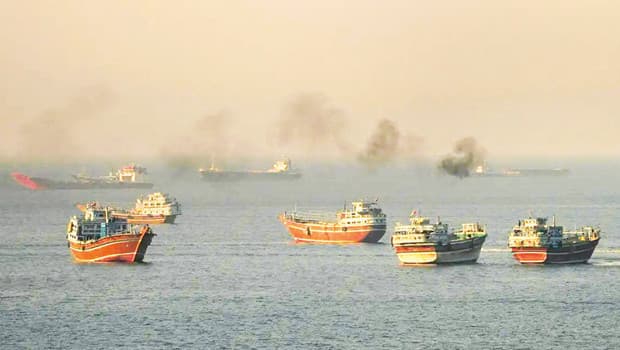
The recent disintegration of the Islamabad Agreement has led to a resurgence of hostilities between the United States and Iran. Former President Donald Trump’s threats aimed at civilian infrastructure are seen as efforts to inflict a 'systemic paralysis' on Tehran. This escalation raises concerns over the stability of critical maritime routes, notably the Strait of Hormuz and the Bab-el-Mandeb strait.
As tensions mount, experts warn that the asymmetric warfare strategies being employed in these strategic areas could have far-reaching implications, not only for regional players but also for the global energy market. The Strait of Hormuz is a vital corridor for oil shipments, while Bab-el-Mandeb serves as a crucial passage between the Indian Ocean and the Red Sea. Any conflict in these areas could drastically affect energy prices and supply chains worldwide.
The shifting dynamics in the Middle East, exacerbated by the breakdown of diplomatic agreements, suggest a potential reconfiguration of power balances within the region. Observers fear that continued hostilities could lead to broader military engagements, drawing in other nations and impacting global security. International efforts to mediate the conflict will be critical in avoiding a full-scale escalation that could have disastrous consequences.
Reklam
📤 Share Article