Leadership Crisis in Kosovo Resolved with Conditional Acceptance
The leadership crisis in Kosovo, which has persisted since April, has been resolved with the election of Justina Shiroka Pula as the country's sixth president. However, her election was contingent upon a specific agreement from the opposition. This article explores the details behind the resolution.
✍️ Barış Özer📰 CNN Türk👁 0
Reklam
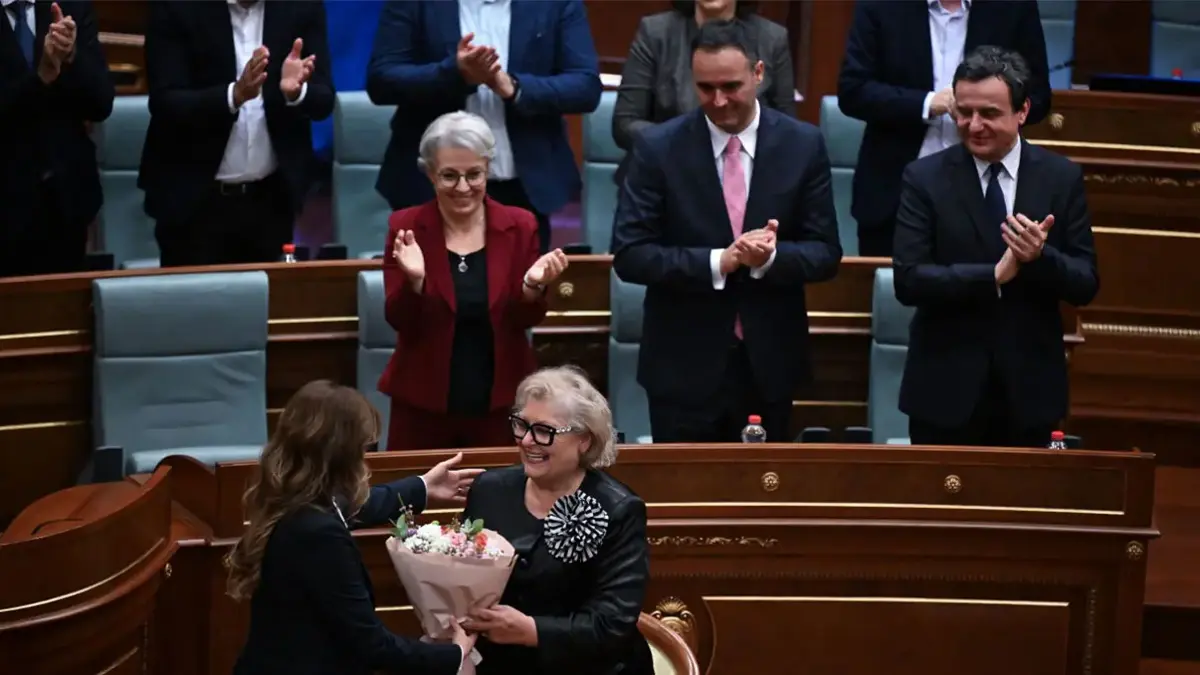
Kosovo has emerged from a prolonged leadership crisis that began in April, culminating in the election of Justina Shiroka Pula as its sixth president. Her election marks a significant development in the political landscape of the country, which has been grappling with instability and leadership challenges for several months.
Pula's ascension to the presidency, however, came with a notable condition imposed by the opposition parties. This stipulation highlights the complexities of the political environment in Kosovo, where coalition-building and consensus are crucial for effective governance. The nature of this condition has sparked discussions about the future direction of the nation and the dynamics between the ruling party and its rivals.
As Kosovo looks forward to a new chapter under President Pula, analysts are keenly observing how the political landscape will shift and whether this agreement will foster a more collaborative and stable governance structure. The resolution of the leadership crisis could pave the way for tackling pressing issues facing the country, including economic development and international relations.
In conclusion, while the election of Justina Shiroka Pula as president represents a step forward for Kosovo, the conditional acceptance by the opposition underscores the ongoing need for dialogue and cooperation among political factions. The coming months will be critical in determining the effectiveness of this new leadership and its ability to unite the country.
Reklam
📤 Share Article