Iran Explores Land Trade Alternatives Amidst Southern Shipping Blockade
In response to a US-imposed blockade affecting its southern shipping routes, Iran is redirecting its trade operations towards northern ports and land corridors. While experts believe this strategy can facilitate the movement of essential goods, they caution that it cannot entirely supplant maritime trade.
✍️ xhaber Haber Merkezi📰 DW👁 0
Reklam
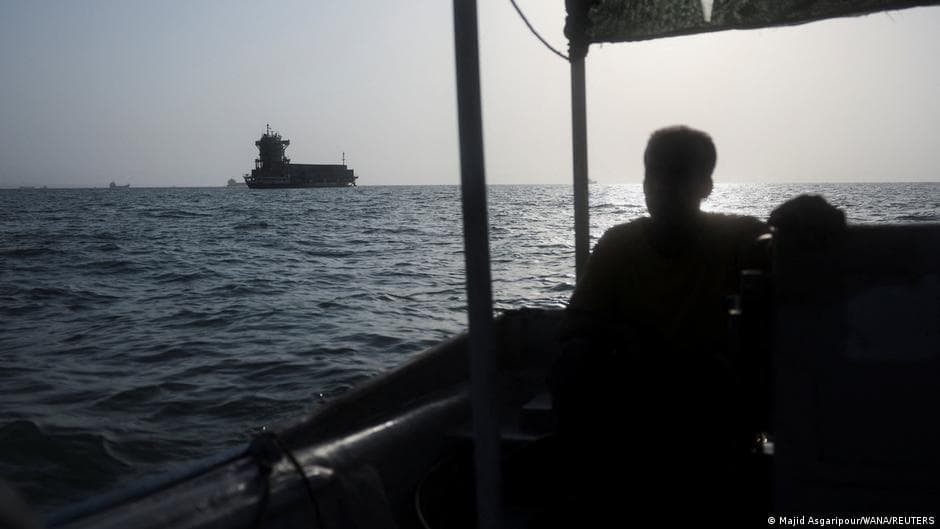
Iran is adapting its trade strategy by shifting focus from its southern shipping routes to northern ports and overland corridors. This change is largely a reaction to the blockade imposed by the United States, which has severely impacted maritime trade operations. Analysts suggest that while these alternative routes may ensure the flow of vital goods, they are unlikely to fully replace the efficiency and capacity of sea trade.
The Iranian government has been investing in infrastructure to enhance its northern ports and land routes, hoping to maintain economic stability despite external pressures. The move comes at a time when global trade dynamics are increasingly influenced by geopolitical tensions, particularly in the Middle East. Experts assert that while land routes may provide a temporary solution, they come with limitations in terms of capacity and speed compared to traditional maritime shipping.
Furthermore, the reliance on land routes may also expose Iran to new logistical challenges and costs, potentially affecting the pricing of goods. As the nation navigates these trade adjustments, the long-term implications for its economy and international trade relationships remain to be seen. The situation highlights the ongoing impact of geopolitical factors on global trade and the need for countries to adapt to rapidly changing conditions.
Reklam
📤 Share Article