Impact of Houthi-Saudi Tensions on Red Sea Nations and Beyond
The ongoing conflict between Houthi forces and Saudi Arabia is significantly influencing the geopolitical landscape of countries along Africa's Red Sea coast. This article explores the implications for regional stability and economic conditions.
✍️ xhaber Haber Merkezi📰 DW👁 0
Reklam
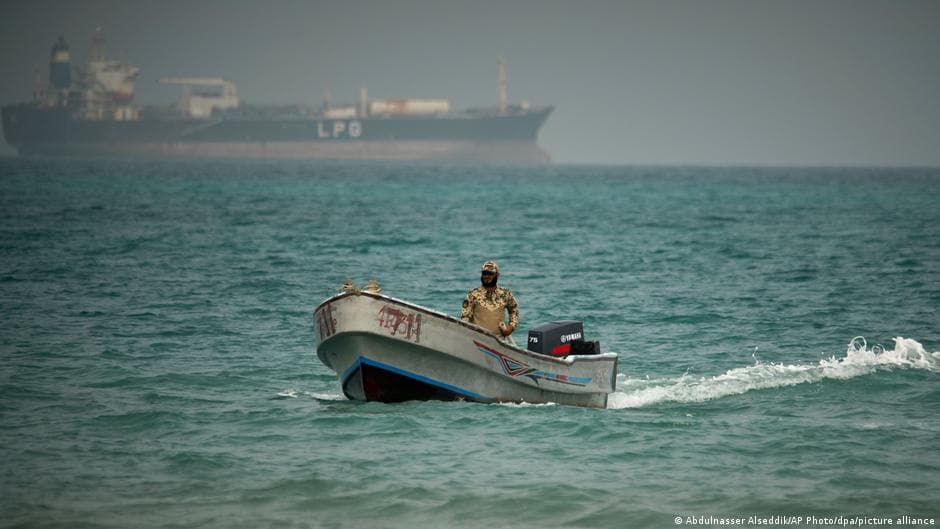
The Bab el-Mandeb Strait, a crucial maritime passage located near Djibouti, remains a focal point in the conflict between Houthi rebels and Saudi-led coalition forces. Yemeni government troops are currently engaged in efforts to reclaim this strategic waterway from Houthi control, which has far-reaching consequences for neighboring African nations.
As tensions continue to escalate, countries along the Red Sea, such as Djibouti, Eritrea, and Sudan, are feeling the ripple effects of this conflict. The instability in Yemen not only poses threats to regional security but also complicates trade routes vital for the economies of these nations. The strait serves as a gateway for global shipping, making its control critical for international trade.
Moreover, the humanitarian crisis in Yemen, exacerbated by the war, is spilling over into surrounding areas. Increased refugee flows and security challenges are placing additional strains on already vulnerable economies in the region. Humanitarian organizations are calling for urgent assistance to address the needs of those affected by the conflict, further highlighting the interconnectedness of regional issues.
The implications of the Houthi-Saudi conflict extend beyond the immediate geographical area. Global powers are closely monitoring developments, as any escalation could disrupt not only regional but also international maritime operations. The Bab el-Mandeb Strait’s significance as a trade artery underscores the need for a resolution to the ongoing conflict, ensuring stability for both the Red Sea nations and the broader global community.
Reklam
📤 Share Article