Historic Proposal Launched in Turkey to End Terrorism: 12-Point Plan Presented to Parliament
A significant milestone was reached yesterday in Turkey's long-standing battle against terrorism. A comprehensive 12-point legislative proposal aimed at dismantling the PKK was jointly submitted to the Grand National Assembly with broad support from both the ruling and opposition parties.
✍️ Barış Özer📰 Hürriyet👁 0
Reklam
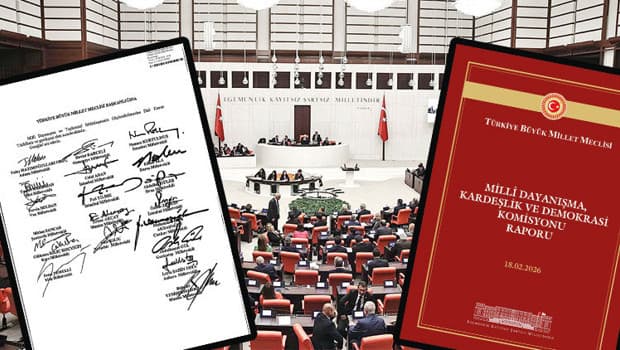
In a landmark move to eradicate terrorism that has plagued Turkey for over four decades, a pivotal 12-point legislative proposal was presented to the Grand National Assembly on Tuesday. This proposal, which seeks to address the dissolution of the PKK (Kurdistan Workers' Party), garnered an impressive 360 signatures, showcasing a rare consensus between the ruling government and various opposition factions. This initiative aims to foster a more peaceful environment while underlining the commitment of Turkish lawmakers to combat terrorism collaboratively.
Notably, the proposed legislation does not include provisions for PKK members who have inflicted harm on military personnel, police forces, or civilians. Additionally, it explicitly excludes Abdullah Öcalan, the imprisoned leader of the PKK, who was convicted prior to 2005. This exclusion has raised questions and discussions regarding the broader implications of the law and its potential effects on ongoing peace negotiations in the region.
The process of requesting sentence deferrals for those involved in PKK activities will not commence until there is official confirmation of the group's surrender of arms. This step is seen as essential to ensure that the proposed measures are taken seriously and lead to genuine disarmament. As Turkey grapples with the legacy of terrorism, this 12-point plan could signify a new chapter in the country’s efforts to foster stability and security.
As the proposal moves through the legislative process, the eyes of both domestic and international observers are closely watching how Turkey navigates this complex issue. The outcome could have significant repercussions not only for national security but also for the broader socio-political landscape in the region.
Reklam
📤 Share Article