Global Wealth Rankings Reveal Variations Based on Measurement Methods
The rankings of the richest countries in the world vary significantly depending on the metrics used for evaluation. Different methodologies, such as nominal income, purchasing power parity, and work hours, lead to diverse conclusions about economic prosperity.
✍️ xhaber Haber Merkezi📰 Cumhuriyet👁 0
Reklam
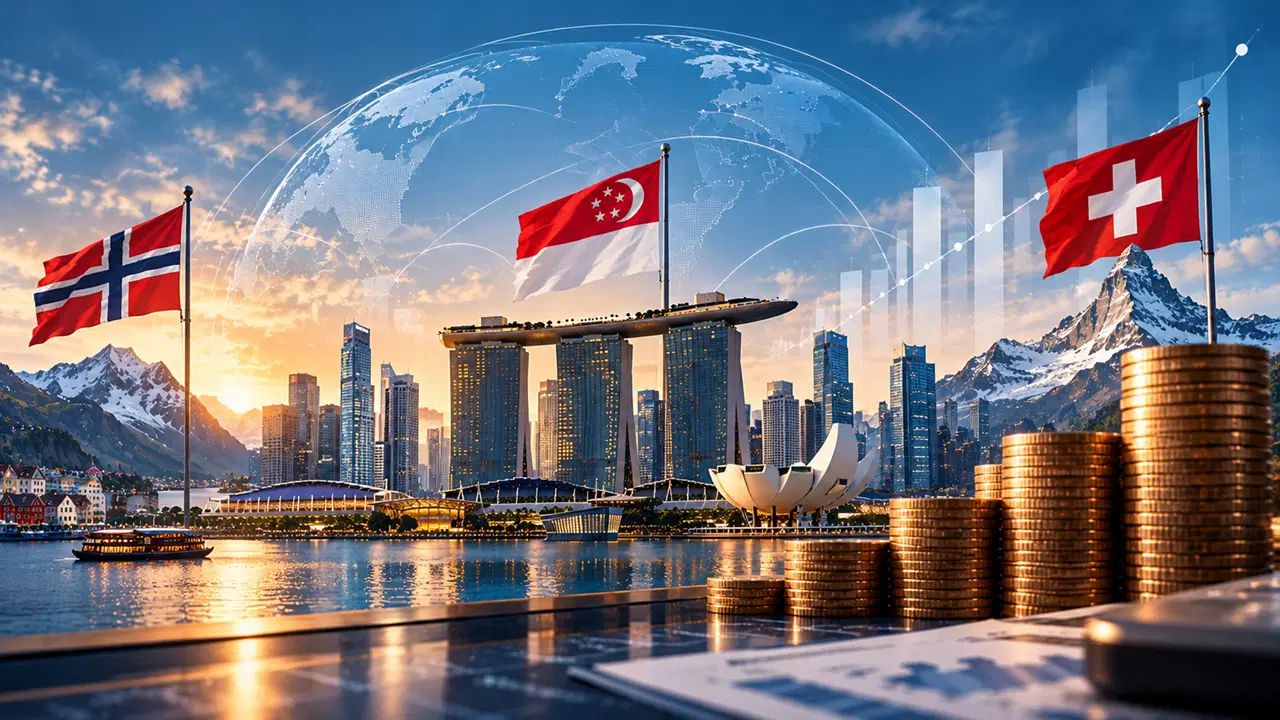
The identification of the world's wealthiest nations is subject to change based on the specific calculation methods employed. When assessing countries through nominal income, purchasing power, and labor hours, the top-ranked nations can differ considerably. This variation highlights that economic well-being cannot be accurately gauged by a single indicator.
For example, nominal income provides a straightforward view of wealth based on currency valuation, while purchasing power parity (PPP) takes into account the relative cost of living and inflation rates, offering a more nuanced perspective. Additionally, analyzing working hours can reflect productivity levels and labor market efficiency, further complicating the definition of economic prosperity.
Consequently, it becomes evident that using a singular metric for evaluating a country's wealth is inadequate. Policymakers, economists, and researchers must consider multiple factors to obtain a comprehensive understanding of economic health and the quality of life in various nations. This multifaceted approach is essential for accurate comparisons and informed decision-making in the global economic landscape.
Reklam
📤 Share Article