Farmers Face Unexpected Challenges After 37 Years of Soil Heating
For 37 years, farmers have been heating their soil to optimize crop production, but they are now confronting unforeseen hazards that threaten their livelihoods. This shift has raised concerns about the sustainability of their practices.
✍️ xhaber Haber Merkezi📰 Sözcü👁 0
Reklam
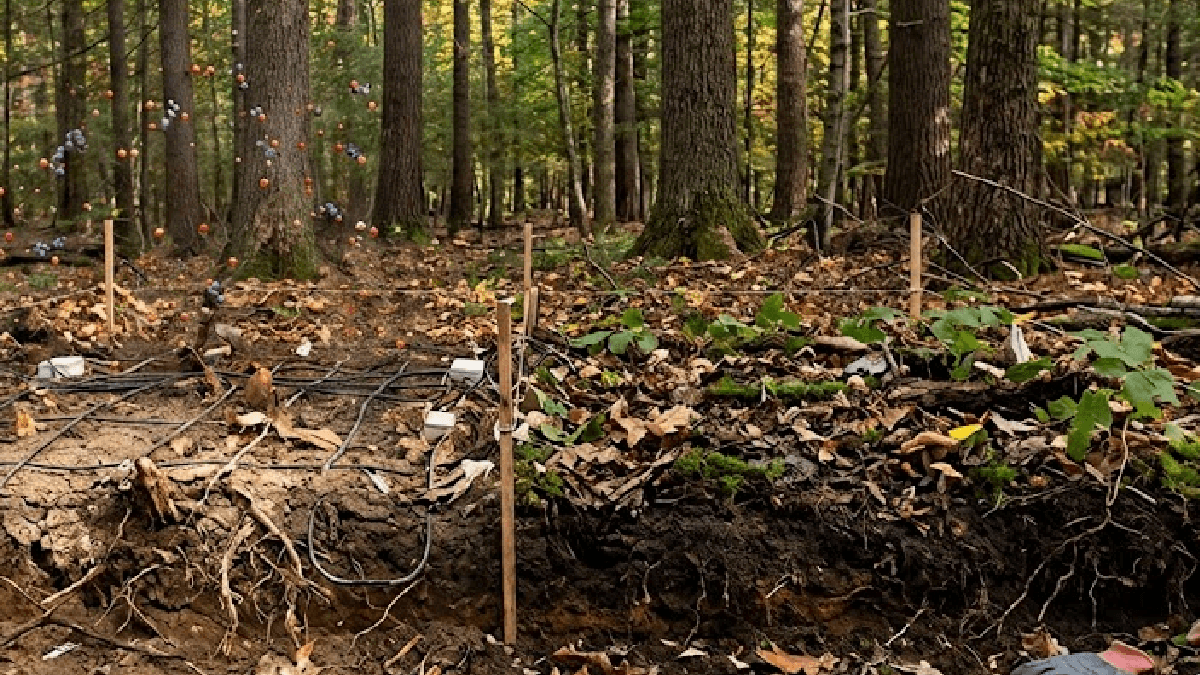
For nearly four decades, farmers have employed innovative techniques to heat their soil, aiming to enhance crop yields and adapt to changing climatic conditions. However, this long-standing practice has recently encountered unexpected challenges that have put their agricultural sustainability at risk. The farmers, who have dedicated years to perfecting their methods, are now facing new environmental factors that could undermine their efforts.
The recent changes in weather patterns and soil conditions have led to a rise in pests and diseases that thrive in warmer soil. This has prompted farmers to reassess their strategies, as the very techniques that once ensured their success are now contributing to potential crop failures. Experts warn that without immediate adaptations, these farmers may experience significant declines in productivity.
In response to these emerging threats, agricultural specialists are advocating for a comprehensive review of soil management practices. They emphasize the importance of integrating traditional farming wisdom with modern agricultural science to develop more resilient systems. This collaborative approach could help mitigate the risks associated with soil heating and foster a more sustainable future for farming communities facing similar challenges worldwide.
As farmers navigate this evolving landscape, the need for innovative solutions and robust support systems has never been more critical. The situation serves as a reminder of the delicate balance required in agricultural practices and the potential consequences of relying heavily on a single method over an extended period. Stakeholders are urged to collaborate to ensure the viability of farming for generations to come.
Reklam
📤 Share Article