China's Influence in Africa: The Cancellation of Zambia's Digital Human Rights Conference
The world's largest digital human rights conference, scheduled to take place in Zambia, was abruptly canceled just days before its start, highlighting China's significant influence in Africa. This incident raises concerns about the dynamics of international human rights discussions.
📰 Spiegel Online👁 2
Reklam
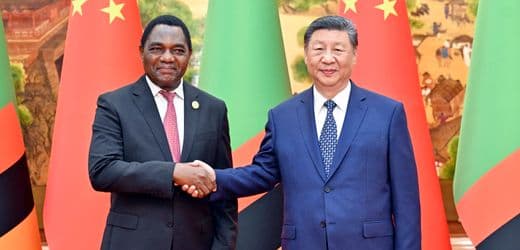
Zambia was set to host the largest digital human rights conference in the world, aimed at addressing pressing issues related to online freedoms and digital rights. However, just days before the event was to commence, the conference was suddenly canceled, a move that has sparked discussions about China's growing influence in Africa. Observers believe that Beijing's disapproval played a pivotal role in halting the conference, reflecting its broader strategy to shape narratives around human rights on the continent.
The cancellation of this significant gathering raises questions about the autonomy of African nations in hosting international dialogues, especially when they intersect with global powers like China. Critics argue that such actions undermine the democratic processes and freedoms that the conference sought to promote. The incident serves as a stark reminder of the geopolitical tensions that often influence human rights advocacy, particularly in regions where economic dependencies on major powers come into play.
As countries grapple with the implications of this cancellation, the incident underscores the need for a more robust discussion about the balance of power in the realm of human rights. The potential for future conferences like this one may depend on how African nations navigate their relationships with influential nations such as China, which has been known to exert considerable pressure on international platforms to align with its political interests.
This situation in Zambia is emblematic of a larger challenge facing the international community: the struggle for genuine human rights advocacy in an increasingly polarized world. As nations prepare for future engagements, the lessons learned from this incident could shape the landscape for digital rights discussions across the globe.
Reklam
📤 Share Article