Breakthrough in Vision Restoration: Dr. José-Alain Sahel Discusses Nobel Prize Potential
Dr. José-Alain Sahel, a pioneer in optogenetics, shares insights on a groundbreaking method that partially restores vision in patients with vision loss. The research, which could be a contender for the 2026 Nobel Prize in Medicine, reveals promising implications for Alzheimer's and addiction treatments.
✍️ Sema Ülkü📰 Hürriyet👁 0
Reklam
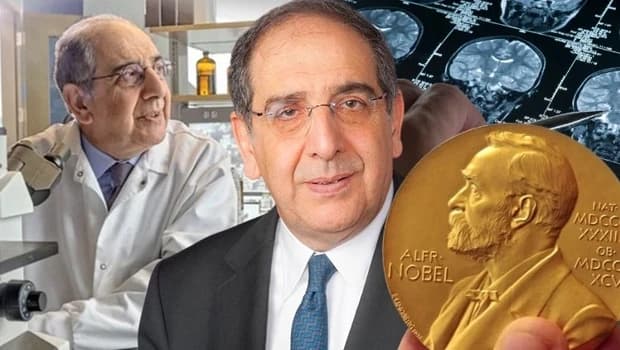
In a significant advancement in vision restoration, Dr. José-Alain Sahel has emerged as a leading figure in the field of optogenetics, a technique that has enabled patients suffering from vision loss to regain partial sight. In an exclusive interview with Hürriyet.com.tr, Dr. Sahel discussed the latest developments in light-based vision therapies and their potential applications. His research, which is garnering attention for a possible nomination for the 2026 Nobel Prize in Medicine, showcases a remarkable leap in biomedical technology.
Dr. Sahel highlighted the success of his research in 2021, where a patient who had experienced severe vision loss was able to regain some visual function through this innovative approach. This pioneering method utilizes light-sensitive proteins to stimulate retinal cells, allowing for a degree of visual perception that was previously thought unattainable. The implications of this technology extend beyond mere vision restoration, as experts like Dr. Semih Tareen are also exploring its application in the realms of Alzheimer’s disease and substance addiction, revealing encouraging results.
The potential for optogenetic therapies to address neurodegenerative diseases like Alzheimer’s represents a transformative shift in biomedical research. Dr. Tareen emphasized that the technique's ability to manipulate neuronal activity through light could pave the way for novel treatment strategies that tackle the underlying mechanisms of these conditions. As the scientific community continues to investigate these promising avenues, the intersection of biotechnology and patient care is rapidly evolving.
With ongoing research and potential future applications on the horizon, the work of Dr. Sahel and his colleagues stands as a testament to the power of innovation in medicine. If the trajectory of this research holds, we may soon witness not only advancements in vision restoration but also in the treatment of complex neurological disorders, making a profound impact on patient lives worldwide.
Reklam
📤 Share Article