Bilal Erdoğan Advocates for Unity During Foundation Ceremony of Controversial Religious School
Bilal Erdoğan, son of President Recep Tayyip Erdoğan, emphasized the importance of fostering unity among diverse Turkish communities during the groundbreaking ceremony for a new medrese in Sivas. The event, attended by several AKP officials, highlights the party's ongoing support for the establishment of unregistered religious schools.
✍️ Barış Özer📰 Cumhuriyet👁 0
Reklam
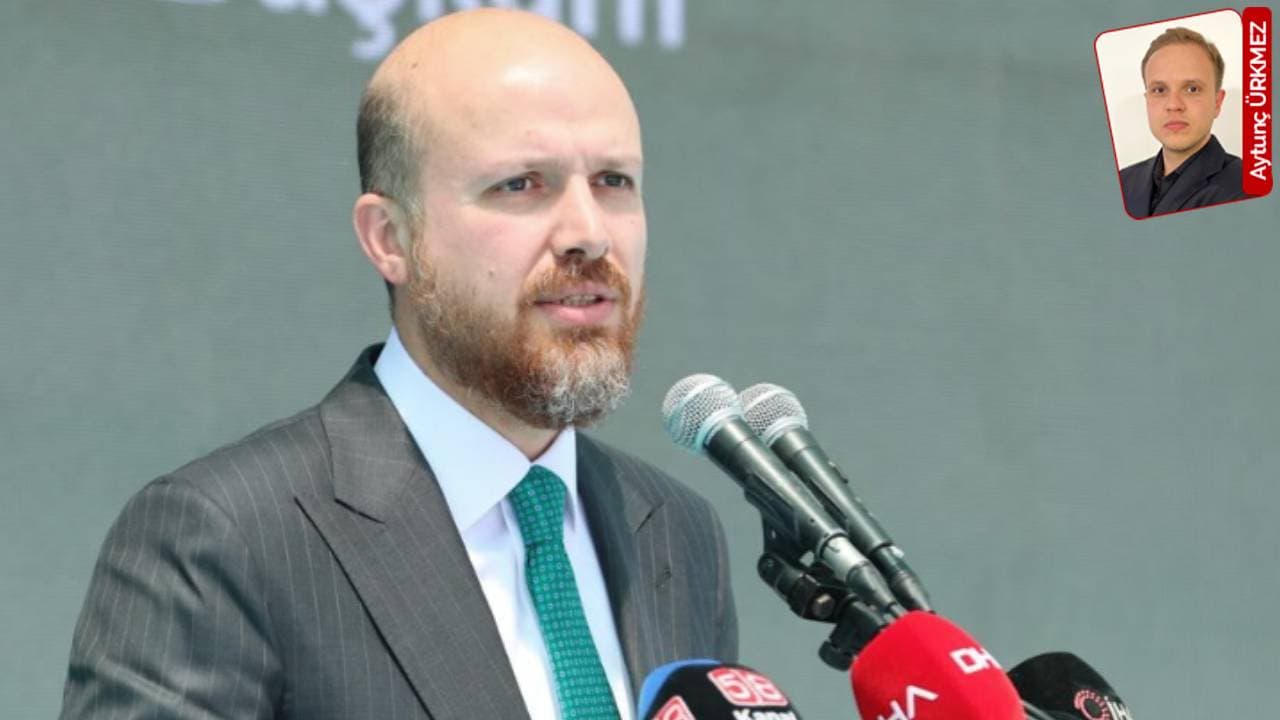
In a significant event underscoring the ruling party's stance on religious education, Bilal Erdoğan, the son of President Recep Tayyip Erdoğan, participated in the groundbreaking ceremony for a controversial medrese operated by the Arifan Külliyesi Foundation in Sivas. Accompanied by Interior Minister Mustafa Çiftçi and other prominent figures from the Justice and Development Party (AKP), Erdoğan reiterated the party's open support for the establishment of unregistered medreses, which have faced criticism for operating outside the legal framework.
During his speech at the ceremony, Erdoğan stressed the need for unity among various communities within Turkey, specifically aiming to bridge gaps between Turkish-Kurdish and Alevi-Sunni groups. He advocated for collaboration and understanding among both university professors and those outside academia, suggesting that a collective effort is essential to foster harmony in Turkish society.
The event is part of the broader narrative surrounding the AKP's approach to education and social cohesion, particularly under the framework of the second Opening Process. This initiative focuses on promoting dialogue and cooperation among different ethnic and religious groups, which Erdoğan believes is vital for national stability and progress. Critics, however, argue that the promotion of unregistered religious institutions raises concerns about educational standards and regulatory oversight.
As the AKP continues to support the establishment of these medreses, the implications for Turkey's educational landscape and social fabric remain to be fully understood. The party's commitment to fostering inclusivity among diverse communities will undoubtedly shape future discussions around religious education and national identity.
Reklam
📤 Share Article