A Traditional Farewell: A Reflection on a Common Saying
In many cultures, expressions of condolence hold significant meaning. One such phrase conveys a wish for forgiveness for the deceased's shortcomings, highlighting the universal nature of mourning rituals.
✍️ xhaber Haber Merkezi📰 Cumhuriyet👁 0
Reklam
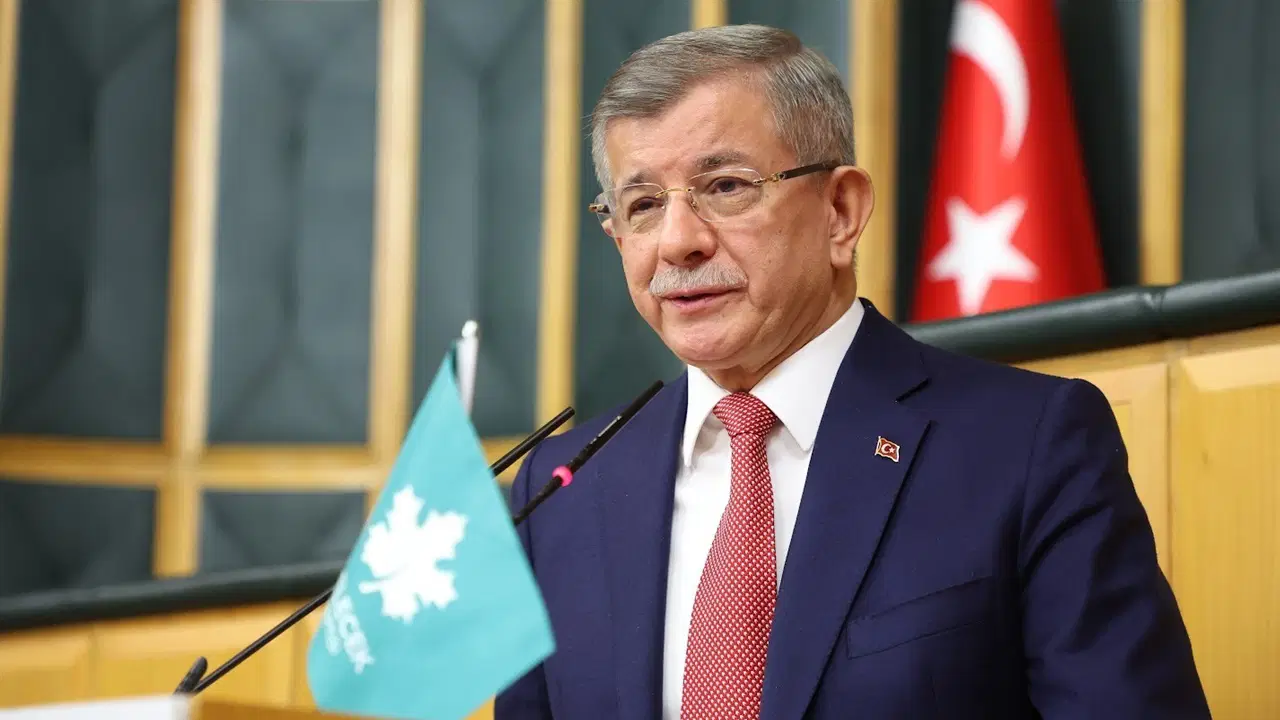
The phrase 'May Allah forgive their shortcomings' is a widely used expression in our language, typically uttered in remembrance of those who have passed away. This saying encapsulates a deep-seated cultural sentiment that emphasizes compassion and understanding towards the deceased, acknowledging that no one is without flaws. Such expressions serve as a means of offering comfort to the bereaved while also honoring the memory of the departed.
In various cultures, the way we speak about those who have died reflects our values and beliefs. The act of wishing for forgiveness signifies a collective acknowledgment of humanity's imperfections, reminding us that every individual, regardless of their life choices, deserves empathy in death. This tradition fosters a sense of community as friends and family come together to share their grief and support one another during difficult times.
As we navigate through the complexities of loss, phrases like this offer solace and a sense of closure. They remind us that while death marks the end of a person's journey, the memories and lessons they leave behind continue to resonate within their loved ones. Such expressions are not merely words; they embody the love and respect we hold for those who have departed, ensuring their legacy endures in our hearts and minds.
Reklam
📤 Share Article